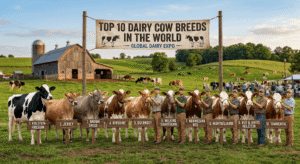
Starting a dairy farm is an exciting opportunity, but it requires much more than simply keeping cows and producing milk. A successful dairy farm depends on careful planning, suitable facilities, proper animal care, efficient feeding systems, and good farm management. For beginners, understanding these five essential aspects can help build a strong foundation and avoid common mistakes in the early stages.
Whether you plan to start a small family operation or develop a large commercial project, learning the basics of dairy production will help you make better decisions and improve long-term profitability.
I will sharing you the below aspect for dairy farms
| Aspect | Main Focus |
|---|---|
| Planning | Farm setup |
| Cattle & Health | Animal management |
| Equipment | Farm machinery |
| Management | Daily operations |
| Sustainability | Long-term success |
What Are the Key Factors to Consider Before Starting a Dairy Farm?
Before introducing a dairy farm, the first step is understanding the overall requirements. A dairy farm is a complete production system where land, animals, equipment, labor, and management work together. Careful planning reduces risks, improves efficiency, and supports long-term profitability.
| Factor | Why It Matters |
|---|---|
| Location | Provides reliable water, transportation, and room for future expansion. |
| Climate | Ensures cow comfort and reduces heat stress with proper ventilation and cooling. |
| Farm Size | Determines investment, labor needs, and equipment selection. |
| Business Plan | Estimates startup costs, operating expenses, and expected profitability. |
| Market Demand | Identifies milk buyers and helps secure long-term sales opportunities. |
Choose the Right Location
The location is one of the most important decisions when starting a dairy farm. A suitable site should have reliable water resources, good transportation access, enough land for future expansion, and a climate that supports dairy cattle. In hot regions, proper ventilation and cooling systems are essential to maintain cow comfort and productivity.
Determine the Farm Size
The size of the operation also requires careful planning. A small family farm with dozens of cows has very different investment requirements, labor needs, and equipment compared with a commercial dairy farm managing hundreds or thousands of cattle.
Develop a Business Plan
A detailed business plan helps farmers estimate the costs of purchasing dairy cattle, constructing barns, buying equipment, purchasing feed, hiring labor, and providing veterinary care. Financial planning before construction reduces risk and supports sustainable growth.
Research the Milk Market
You need a dairy researching for the local dairy market is equally important. Farmers should identify potential milk buyers, evaluate customer demand, and understand local pricing before investing. A clear marketing strategy helps ensure stable income after production begins.
Good preparation before construction creates a solid foundation for a successful and profitable dairy farm.
How Should You Choose Dairy Cattle and Manage Animal Health?
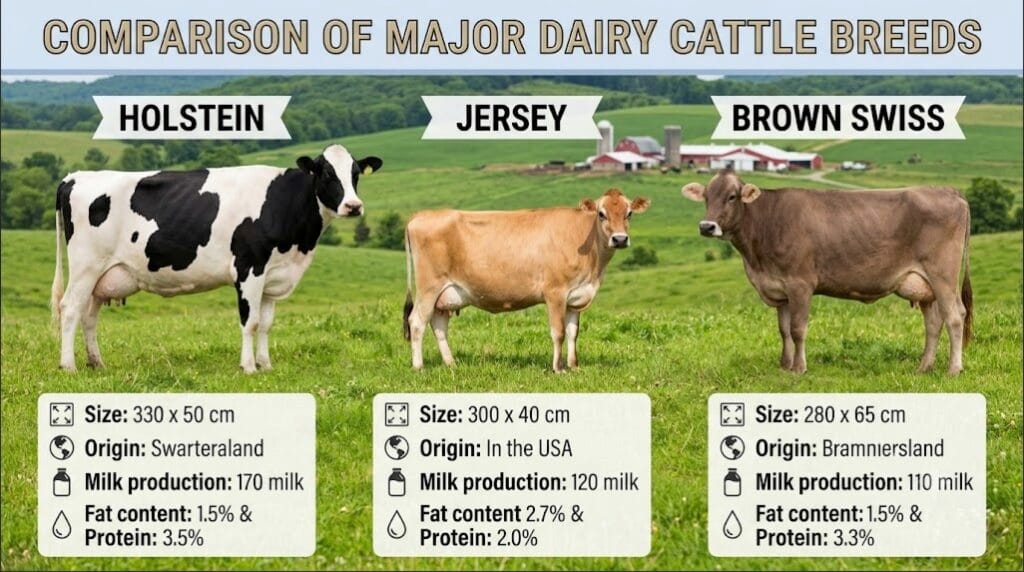
Choosing the right dairy cow breed is a major part of developing a productive dairy operation. Different breeds vary in milk production, butterfat content, feed efficiency, disease resistance, and adaptability to different climates. Selecting a breed that matches your farm’s environment and production goals can improve long-term profitability.
Common Dairy Cow Breeds
| Breed | Milk Yield | Main Advantage | Best For |
|---|---|---|---|
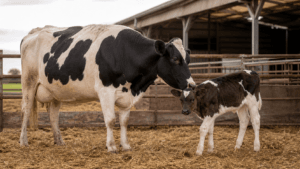
| Holstein | High | Excellent milk production | Commercial dairy farms |
| Jersey | Medium | High butterfat and protein content | Cheese and butter production |
| Brown Swiss | Medium–High | Strong, hardy, and adaptable | Various climates and management systems |
Although selecting the right breed is important, successful dairy farming depends on more than genetics. Proper dairy cow nutrition, regular health care, comfortable housing, and good herd management are essential for maintaining healthy cows and achieving consistent milk production. Regular monitoring and preventive health programs help reduce disease, improve reproductive performance, and extend the productive life of the herd.
Why Dairy Farm Health Management Is Essential for Long-Term Success
A healthy herd is the foundation of a profitable dairy farm. Effective health management improves milk production, reduces veterinary costs, increases reproductive performance, and extends the productive life of dairy cows. A comprehensive herd health program should combine preventive care, balanced nutrition, comfortable housing, and regular monitoring.
Dairy Herd Health Management Checklist
| Management Area | Importance | Best Practice |
|---|---|---|
| Vaccination | Prevents infectious diseases | Follow a veterinarian-approved vaccination schedule. |
| Nutrition | Supports health and milk production | Feed a balanced TMR with adequate energy, protein, vitamins, and minerals. |
| Hoof Care | Reduces lameness | Trim hooves regularly and keep walking areas clean. |
| Reproductive Management | Improves breeding efficiency | Monitor heat cycles and pregnancy status routinely. |
| Cow Comfort | Reduces stress | Provide clean bedding, fresh water, and proper ventilation. |
| Health Monitoring | Detects problems early | Observe feed intake, rumination, milk yield, and behavior daily. |
Proper nutrition is closely connected to animal health. Dairy cows require balanced diets that provide sufficient energy, protein, fiber, vitamins, and minerals to maintain body condition and maximize milk production. Modern feeding systems, such as Total Mixed Ration (TMR), help ensure cows receive a consistent and nutritionally balanced diet in every meal.
Cow comfort is equally important. Clean resting areas, adequate ventilation, comfortable bedding, and unlimited access to fresh water reduce stress and support higher milk yields. Daily observation also enables farmers to detect changes in appetite, movement, or milk production early, allowing prompt treatment before minor issues become serious health problems.
What Equipment and Facilities Does a Modern Dairy Farm Need?
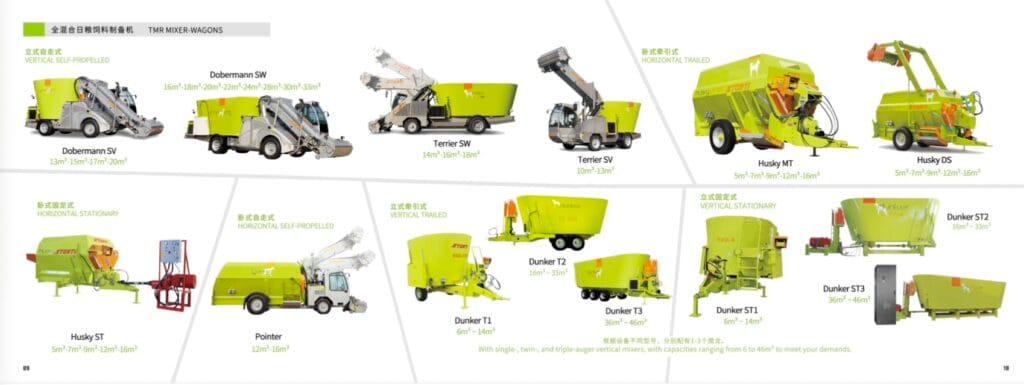
Modern dairy operations depend on proper facilities and reliable machinery to improve efficiency, reduce labor requirements, and support better animal welfare. A well-designed dairy farm combines housing, feeding, milking, ventilation, and manure management systems into an integrated production environment.
Essential Dairy Farm Equipment and Facilities
| Equipment / Facility | Main Function | Key Benefits |
|---|---|---|
| Cow Housing & Barn Facilities | Provide comfortable resting and living areas for cattle. | Improves cow comfort, reduces stress, and supports higher milk production. |
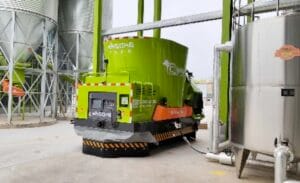
| TMR Mixer | Mix forage, grain, minerals, and supplements into a balanced ration. | Ensures consistent nutrition and reduces feed waste. |
| Automated Feeding System | Delivers accurate feed quantities to cows. | Saves labor and improves feeding efficiency. |
| Feed Pusher Robot | Pushes feed closer to cows throughout the day. | Encourages feed intake and reduces manual work. |
| Milking System | Collects milk efficiently and hygienically. | Improves milk quality and reduces labor costs. |
| Robotic Milking System | Automates the milking process using sensors and data technology. | Provides 24/7 milking flexibility and improves herd monitoring. |
| Ventilation & Cooling System | Controls barn temperature and air quality. | Reduces heat stress and improves cow health. |
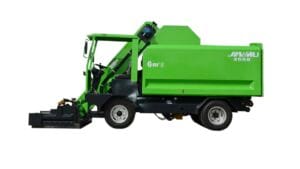
| Manure Management System | Removes and processes animal waste. | Maintains barn cleanliness and supports environmental sustainability. |
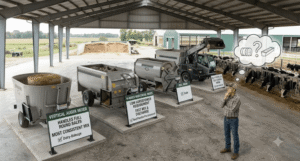
The choice of equipment depends on herd size, investment capacity, farm layout, and future expansion plans. Small farms may begin with basic machinery, while large commercial farms often use automated systems to improve productivity and reduce operating costs.
A properly designed dairy farm should allow smooth movement of cows and workers, provide easy access to feed and water, and create an efficient workflow from feeding and milking to waste management. Investing in suitable dairy equipment helps farmers build a more productive, sustainable, and profitable operation.
How Can Good Farm Management Improve Dairy Production?
Modern dairy farms rely on efficient facilities and reliable machinery to improve productivity, reduce labor costs, and support animal welfare. A successful dairy operation integrates cow housing, feeding, milking, ventilation, cooling, and manure management systems into one complete production system.
Essential Dairy Farm Equipment and Facilities
| Equipment / Facility | Main Function | Key Benefits |
|---|---|---|
| Cow Housing & Barn Facilities | Provide comfortable living and resting areas for cows. | Improves cow comfort, reduces stress, and supports milk production. |
| TMR Mixer | Mix forage, grain, minerals, and supplements into a balanced ration. | Provides consistent nutrition and reduces feed waste. |
| Automated Feeding System | Delivers accurate feed amounts automatically. | Saves labor and improves feeding efficiency. |
| Feed Pusher Robot | Pushes feed closer to cows during the day. | Increases feed intake and reduces manual work. |
| Milking System | Collects milk efficiently and hygienically. | Improves milk quality and reduces labor requirements. |
| Robotic Milking System | Automates milking with sensors and digital technology. | Enables flexible milking schedules and improves herd monitoring. |
| Ventilation & Cooling System | Controls barn temperature and air circulation. | Reduces heat stress and improves cow health. |
| Manure Management System | Removes and processes animal waste. | Maintains barn cleanliness and supports sustainable farming. |
The selection of dairy farm equipment depends on herd size, investment budget, farm layout, climate conditions, and future expansion plans. Small farms may start with basic equipment, while large commercial farms often adopt automated systems to improve efficiency and reduce operating costs.
A well-designed dairy farm should provide smooth cow movement, easy access to feed and water, efficient milking processes, and effective waste handling. By investing in suitable dairy equipment and facilities, farmers can create a more productive, sustainable, and profitable dairy operation.
How Does Sustainability Support the Future of Dairy Farms?
Sustainability is becoming increasingly important in the global dairy industry. Farmers, governments, and consumers are paying more attention to environmental protection, resource efficiency, and responsible food production. A sustainable dairy farm aims to improve productivity while reducing environmental impact and maintaining high standards of animal welfare.
Key Areas of Sustainable Dairy Farming
| Sustainability Area | Main Practices | Benefits |
|---|---|---|
| Feed Efficiency | Use balanced nutrition and precision feeding systems such as TMR. | Reduces feed waste and improves milk production efficiency. |
| Manure Management | Use manure separators, composting, or anaerobic digesters. | Recycles nutrients, reduces pollution, and supports renewable energy production. |
| Energy Management | Install solar power, energy-efficient equipment, and smart systems. | Lowers operating costs and reduces energy consumption. |
| Water Management | Improve water usage efficiency and recycling systems. | Conserves resources and reduces farm operating expenses. |
| Animal Welfare | Provide comfortable housing, proper nutrition, and good handling practices. | Improves cow health, productivity, and farm sustainability. |
Modern dairy farms are also adopting advanced technologies to support sustainability. Smart monitoring systems, automated feeding equipment, and precision management tools help farmers use fewer resources while maintaining high production levels.
For example, improved feeding strategies can reduce unnecessary feed losses, while modern manure management systems can transform waste into valuable fertilizer or renewable energy. Energy-efficient ventilation, cooling systems, and farm buildings can further reduce operational costs.
Animal welfare is another important part of sustainable dairy production. Comfortable resting areas, clean water, proper nutrition, and low-stress handling improve cow health and contribute to better milk quality.
By considering sustainability during farm planning and daily management, dairy producers can create more efficient, environmentally responsible, and competitive operations that are prepared for the future of agriculture.
Conclusion: The 5 Essential Aspects of Building a Successful Dairy Farm
Introducing a dairy farm requires careful attention to five essential areas: planning, cattle management, equipment selection, daily operation, and sustainability. Each part influences the others, creating a complete system that determines the success of the business.
For beginners, the most important step is gaining knowledge before making major investments. With proper planning, suitable technology, and effective management practices, a dairy farm can become a profitable and sustainable agricultural business.
The future of dairy production depends on combining traditional farming experience with modern solutions, allowing farmers to produce high-quality milk while improving efficiency and animal welfare.