Dairy cows have different nutritional requirements throughout their production cycle. A cow producing 40 kg of milk per day requires a completely different diet compared with a cow preparing for the next calving. Understanding nutritional changes during each lactation stage helps farmers improve milk production, maintain cow health, and reduce unnecessary feeding costs.
In modern dairy farming, nutrition management is not simply about providing more feed. It requires accurate ration formulation, proper selection of feed ingredients, and continuous monitoring of cow performance. Many experienced dairy farmers adjust the feeding program according to milk yield, body condition, and reproductive status.
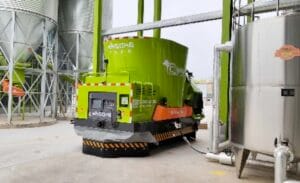
A well-managed tmr feeding system allows farmers to provide a consistent and balanced ration for different groups of cows.
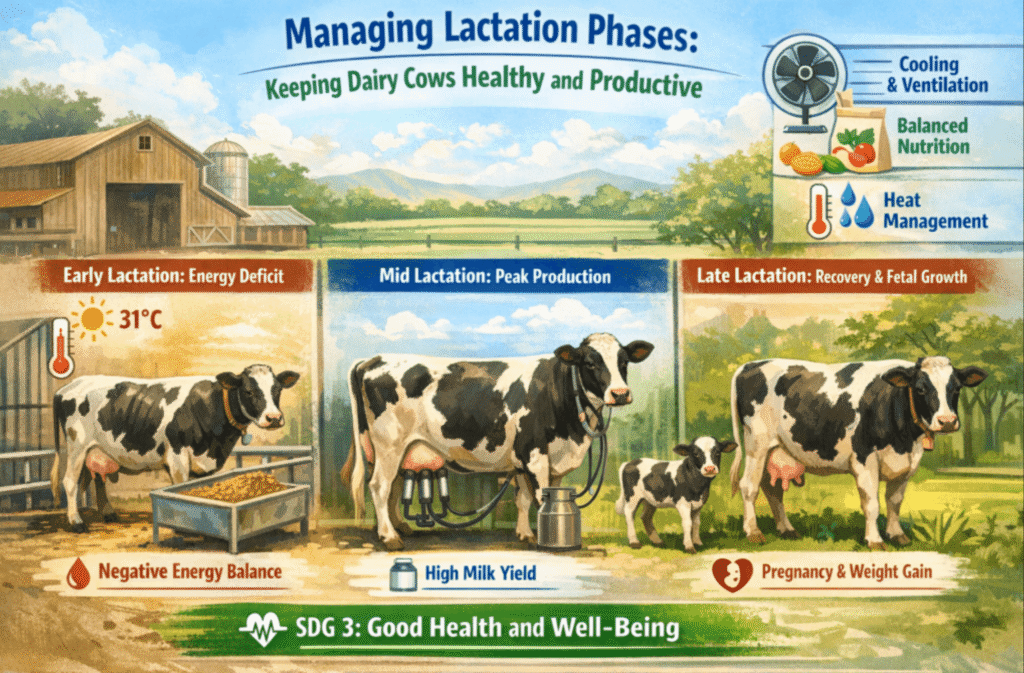
Dairy Cow Nutritional Requirements During Different Lactation Stages
| Lactation Stage | Period | Main Nutritional Goal | Feeding Focus |
|---|---|---|---|
| Early Lactation | 0–70 days after calving | Support peak milk production and prevent energy loss | High-energy diet with balanced protein and fiber |
| Mid Lactation | 70–200 days after calving | Maintain stable milk production and recover body condition | Balanced energy and nutrient supply |
| Late Lactation | 200 days until dry period | Maintain pregnancy and prepare for next lactation | Moderate energy with controlled body condition |
| Dry Period | 45–60 days before calving | Prepare the cow for the next lactation | Controlled diet with minerals and proper fiber |
The table shows that dairy cows should not receive the same ration throughout the entire lactation cycle. Each stage requires different nutritional strategies.
1. Early Lactation: Supporting Maximum Milk Production
Early lactation is the most demanding period because cows reach their highest milk production while their feed intake capacity is still increasing. Many high-producing cows experience a negative energy balance during this stage.
| Nutrient Requirement | Management Strategy |
|---|---|
| Energy | Increase energy density to support milk production |
| Protein | Provide sufficient protein for milk synthesis |
| Fiber | Maintain enough effective fiber for rumen health |
| Minerals | Support recovery after calving |
For example, a Holstein cow producing more than 40 kg of milk per day may require a high-energy TMR containing corn silage, alfalfa, grains, soybean meal, and specific feed additives to support digestion.
Experienced dairy farmers often pay close attention to feed intake during the first 30 days after calving. A small reduction in dry matter intake can quickly affect milk yield and reproductive performance.
2. Mid Lactation: Maintaining Stable Performance
During mid lactation, milk production gradually decreases, but cows still require balanced nutrition to maintain productivity.
| Management Target | Recommended Approach |
|---|---|
| Milk production | Maintain consistent output |
| Body condition | Gradually recover lost body reserves |
| Feed efficiency | Optimize nutrient utilization |
| Health | Prevent metabolic problems |
At this stage, farmers usually adjust the ration by slightly reducing energy density while maintaining adequate protein and minerals.
A properly designed tmr feeding program helps prevent cows from selecting only high-energy ingredients, ensuring stable nutrient intake.
3. Late Lactation and Dry Period: Preparing for the Future
Late lactation is an important preparation period for the next production cycle. Overfeeding energy at this stage can cause cows to become overweight, increasing the risk of calving difficulties.
| Period | Nutrition Priority |
|---|---|
| Late Lactation | Maintain pregnancy and healthy body condition |
| Dry Period | Support udder recovery and prepare rumen adaptation |
Farmers should focus on forage quality, mineral balance, and controlled energy intake.
Role of Feed Ingredients and Additives
The quality of feed ingredients directly affects cow performance. Common ingredients include:
| Ingredient Category | Examples | Function |
|---|---|---|
| Forage | Corn silage, alfalfa | Provides fiber and supports rumen activity |
| Energy Sources | Corn, barley | Supplies energy for milk production |
| Protein Sources | Soybean meal, DDGS | Supports milk protein production |
| Minerals | Calcium, phosphorus | Supports bone health and reproduction |
| Feed additives | Yeast, enzymes, vitamins | Improves digestion and animal performance |
Choosing the correct combination of ingredients and additives can improve feed efficiency and support healthier cows.
Nutrition Management and Feed Cost Control
Feed is usually the largest operating expense on a dairy farm. Therefore, accurate nutrition management is essential for profitability.
| Without Proper Nutrition Management | With Proper Nutrition Management |
|---|---|
| Higher feed waste | Better feed utilization |
| Unstable milk production | More consistent milk yield |
| Increased health problems | Improved cow performance |
| Higher production costs | Better feed cost reduction |
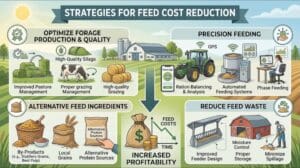
In practice, many successful dairy farms achieve better economic results not by feeding more, but by feeding smarter. Accurate ration formulation, regular feed testing, and modern feeding equipment help farmers produce more milk while controlling costs.
Why Modern Dairy Farms Achieve Lower Mortality Rates
1. Precision Nutrition and TMR Feeding
Traditional farms may feed cows based on general experience, which can lead to nutritional imbalance. Modern farms use scientific ration formulation and TMR feeding to provide consistent nutrition.
| Traditional Feeding | Modern TMR Management |
|---|---|
| Separate feeding of forage and concentrates | All ingredients mixed evenly |
| Higher risk of feed sorting | Balanced nutrient intake |
| More digestive problems | Stable rumen function |
A balanced diet improves immunity, reduces metabolic diseases, and helps cows maintain better body condition.
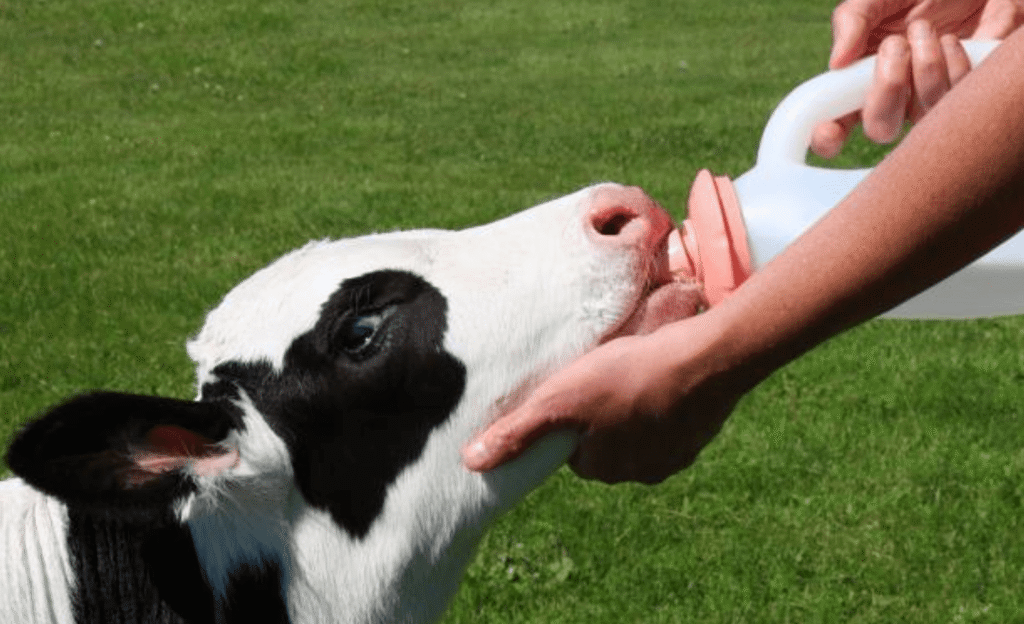
2. Better Calf Management
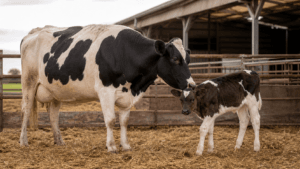
Calves are the future of the herd. Poor early-life management can cause high mortality and reduced future production.
| Management Area | Traditional Farm | Modern Farm |
|---|---|---|
| Colostrum management | Often inconsistent | Measured and monitored |
| Disease prevention | Reactive treatment | Preventive vaccination |
| Growth monitoring | Visual observation | Regular weighing and data tracking |
| Housing | Less controlled environment | Clean and optimized calf facilities |
Better calf management significantly reduces early mortality.
3. Early Disease Detection
Modern farms use technologies such as smart collars, sensors, and automated monitoring systems to identify health problems earlier.
| Technology | Function | Result |
|---|---|---|
| Activity sensors | Detect abnormal movement | Early disease detection |
| Temperature monitoring | Identify fever signs | Faster treatment |
| Milk monitoring systems | Detect production changes | Early mastitis control |
Early intervention prevents minor health problems from becoming fatal diseases.
4. Improved Housing and Animal Welfare
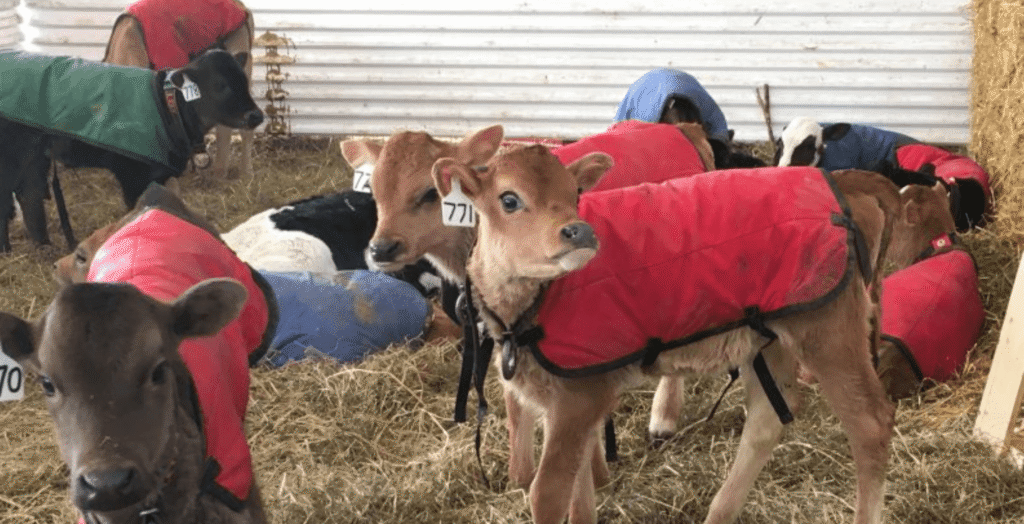
Modern dairy farms focus on comfortable housing, ventilation, and cleanliness.
| Factor | Traditional Farm | Modern Farm |
|---|---|---|
| Ventilation | Natural airflow only | Automated ventilation systems |
| Heat stress control | Limited | Fans and cooling systems |
| Bedding management | Manual | Regular monitoring |
| Cow comfort | Basic | Designed for animal welfare |
Better living conditions reduce heat stress, infections, and injuries.
New Technologies Reducing Dairy Cow Mortality
Modern dairy farms are using advanced technologies to detect health problems earlier, improve nutrition accuracy, and create better living conditions for cows. These technologies help farmers move from reactive treatment (treating sick cows) to preventive management (preventing diseases before they become serious).
New Technologies and Their Impact on Cow Mortality
| Technology | How It Works | Problems Reduced | Expected Impact |
|---|---|---|---|
| Smart Cow Collar | Monitors activity, rumination, eating behavior, and temperature 24/7 | Heat detection problems, disease delays, reproductive issues | Early detection can reduce disease-related losses by 30–50% |
| AI Health Monitoring System | Uses artificial intelligence to analyze cow behavior and production data | Missed early symptoms | Faster treatment and lower mortality |
| Automated Feeding System | Automatically prepares and delivers accurate rations | Nutrition imbalance and feed waste | Improves feed efficiency and cow health |
| Precision TMR Management | Uses sensors and digital weighing to control ration accuracy | Digestive disorders and poor nutrition | More stable rumen function |
| Robotic Milking System | Monitors milk quality and milking performance automatically | Mastitis and milking errors | Earlier mastitis detection |
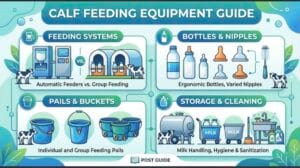
| Automatic Calf Feeder | Controls milk feeding amount and frequency for calves | Calf diarrhea and slow growth | Reduces calf mortality |
| Environmental Sensors | Monitors temperature, humidity, ammonia, and air quality | Heat stress and respiratory disease | Improves barn conditions |
| Computer Vision System | Uses cameras to analyze walking, body condition, and behavior | Lameness and injury problems | Earlier intervention |
Example: Smart Collar vs Traditional Observation
| Indicator | Traditional Monitoring | Smart Collar System |
|---|---|---|
| Health monitoring | 1–2 times per day | 24 hours continuously |
| Disease detection | After visible symptoms appear | Before obvious symptoms |
| Heat detection accuracy | 50–70% | 90%+ |
| Response time | Several days possible | Within hours |
| Labor requirement | High | Reduced |
The reason smart monitoring reduces mortality is that many dairy diseases develop gradually. For example, a cow with reduced rumination may already be experiencing digestive problems before showing visible signs. A smart collar can detect abnormal behavior early, allowing farmers to provide treatment before the condition becomes severe.
AI-Based Predictive Health Management
Artificial intelligence is becoming an important tool in dairy farming. AI systems combine data from:
- Cow activity
- Milk production
- Feed intake
- Body temperature
- Reproductive records
- Environmental conditions
The system can predict risks such as mastitis, ketosis, lameness, and heat stress.
| Disease Risk | Traditional Method | AI Prediction |
|---|---|---|
| Mastitis | Detect after milk changes | Identify abnormal behavior earlier |
| Ketosis | Check after production drops | Predict risk from feed intake and activity |
| Lameness | Observe walking problems | Detect movement changes automatically |
| Heat stress | Visual observation | Monitor temperature and behavior |
Future Vision
In the future, dairy farms will combine AI, robotics, sensors, TMr mixer and automation into a complete smart herd management system. Each cow will have a digital health record, and farmers will receive automatic alerts when problems occur.
The goal is not only to reduce mortality but also to increase cow lifespan, improve milk production, and create a more sustainable dairy industry. Modern technology will transform dairy farming from experience-based management into data-driven precision farming.
Top 5 Popular FAQs About New Technologies Reducing Dairy Cow Mortality
1. How can smart cow collars reduce dairy cow mortality?
Smart cow collars monitor important health indicators such as activity level, rumination, eating behavior, and body temperature 24 hours a day. They can detect early signs of diseases such as mastitis, ketosis, and heat stress before visible symptoms appear.
Early detection allows farmers to provide treatment quickly, reducing disease severity and lowering the risk of cow death.
2. Can artificial intelligence (AI) predict dairy cow diseases?
Yes. AI systems analyze data collected from sensors, milking systems, and farm records to identify abnormal patterns.
For example:
| Data Monitored | Possible Problem Detected |
|---|---|
| Reduced activity | Illness or lameness |
| Lower rumination | Digestive problems |
| Lower milk production | Mastitis or metabolic disease |
| Temperature changes | Infection risk |
AI helps farmers move from treating sick cows to preventing health problems before they become serious.
3. How does an automatic feeding system improve cow health?
An automatic feeding system provides accurate and consistent feed delivery according to each group of cows’ nutritional requirements.
Benefits include:
- More stable nutrient intake
- Reduced feed sorting
- Better rumen health
- Lower risk of metabolic diseases
- Reduced labor requirements
Consistent feeding management helps maintain healthier cows and improves overall herd performance.
4. What technology helps reduce calf mortality?
Automatic calf feeders and digital monitoring systems are important technologies for improving calf survival.
| Traditional Calf Management | Modern Calf Management |
|---|---|
| Manual milk feeding | Automatic milk feeding |
| Limited growth tracking | Daily weight monitoring |
| Late disease detection | Early health alerts |
| Variable feeding amount | Accurate feeding program |
Healthy calves have stronger immunity and better future milk production potential.
5. Is investing in smart dairy technology profitable?
Yes. Although smart farming technology requires initial investment, it can reduce long-term operating costs by lowering disease losses, improving productivity, and reducing labor requirements.
| Improvement Area | Economic Benefit |
|---|---|
| Early disease detection | Lower veterinary costs |
| Better nutrition management | Improved feed efficiency |
| Reduced mortality | More productive cows |
| Longer cow lifespan | Fewer replacement costs |
| Automated operation | Lower labor expenses |
Modern dairy technology is not only about automation; it is about creating a healthier, more efficient, and more profitable dairy production system.