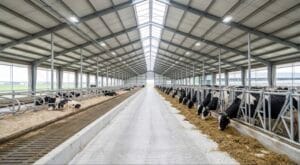
Silage production is one of the most important processes in modern dairy farming because it provides a stable, high-quality forage source throughout the year. Good silage helps farmers maintain consistent dairy nutrition, improve milk production, and achieve better feed cost reduction.
Unlike fresh grass that changes with seasons, properly made silage can be stored for months while preserving valuable energy and nutrients. When combined with other feed ingredients through TMR feeding, silage becomes the foundation of a balanced dairy cow diet.
What Is Silage?
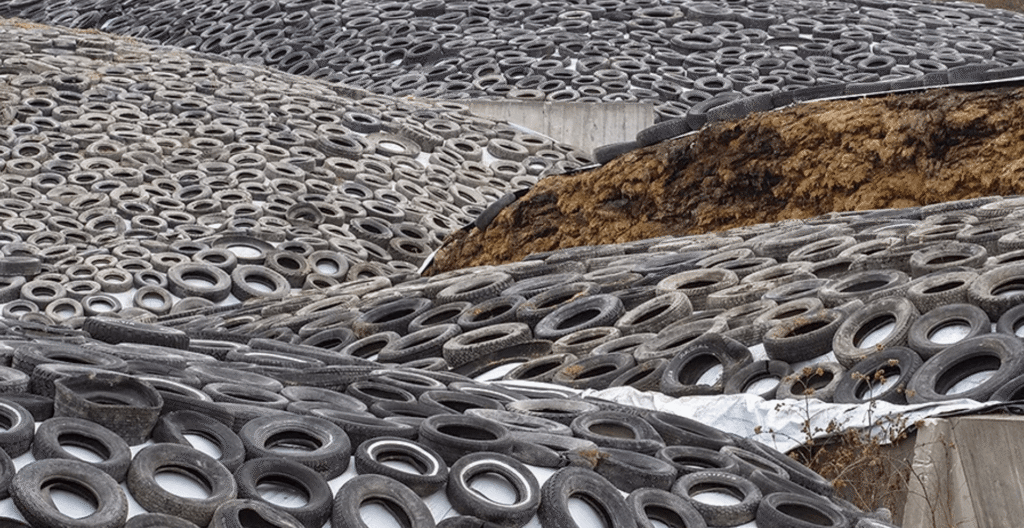
Silage is fermented forage produced by storing high-moisture crops in an oxygen-free environment. During fermentation, beneficial bacteria convert plant sugars into lactic acid, which lowers the pH and preserves the feed.
Common silage crops include:
| Silage Type | Main Nutrients | Advantages | Common Use |
|---|---|---|---|
| Corn Silage | Energy, Starch, Fiber | High energy and excellent digestibility | High-producing dairy cows |
| Grass Silage | Fiber, Moderate Protein | Good rumen health support | General dairy feeding |
| Alfalfa Silage | Protein, Calcium, Fiber | High-quality forage | Lactating cows |
| Sorghum Silage | Energy, Fiber | Drought tolerant | Hot and dry regions |
Among these options, corn silage is widely used in commercial dairy farms because it provides high energy and works well with grain and protein supplements.
Who First Made Silage and Why?
The first known use of silage can be traced back to ancient civilizations, but the modern silage production method was developed mainly in Europe during the 19th century.
The idea of preserving green crops by fermentation was first practiced by farmers who wanted to keep livestock feed available when fresh grass was not available.
Early History of Silage
| Period | Person / Region | Contribution | Why They Developed Silage |
|---|---|---|---|
| Ancient times | Mediterranean farmers | Stored green plant materials in pits | Preserve feed during dry seasons |
| Around 100 BC | Ancient Greeks and Romans | Used methods of storing forage under limited oxygen conditions | Maintain livestock feed supply |
| 19th century | European farmers, especially in Germany and France | Developed modern silo storage methods | Preserve summer crops for winter feeding |
| 1870s | August Goffart | Published practical methods for preserving green forage in silos | Improve cattle feeding during winter |
Why Did Farmers Invent Silage?
The main reason was seasonal feed shortage.
Before silage became common, dairy farmers mainly depended on:
- Fresh pasture during spring and summer
- Dried hay during winter
However, hay production had several problems:
- Weather could damage drying crops
- Nutrient losses occurred during drying
- High-quality forage was difficult to preserve
- Dairy cows produced less milk during winter
Farmers needed a way to store green crops while keeping more nutrients.
Silage solved this problem by using fermentation.
When chopped forage is stored without oxygen:
- Beneficial bacteria consume plant sugars
- They produce lactic acid
- The pH decreases
- Harmful microorganisms are controlled
- Nutrients are preserved for later feeding
Why Silage Became Important for Dairy Farming
Silage changed dairy farming because it allowed farmers to provide cows with a more consistent diet throughout the year.
A dairy cow is similar to a professional athlete. An athlete cannot perform well if food quality changes dramatically every season. Dairy cows also need stable dairy nutrition to maintain milk production.
With silage, farmers could:
- Maintain consistent forage quality
- Increase milk production stability
- Reduce dependence on purchased feed
- Improve feed cost reduction
- Support larger dairy herds
From Traditional Silage to Modern TMR Feeding
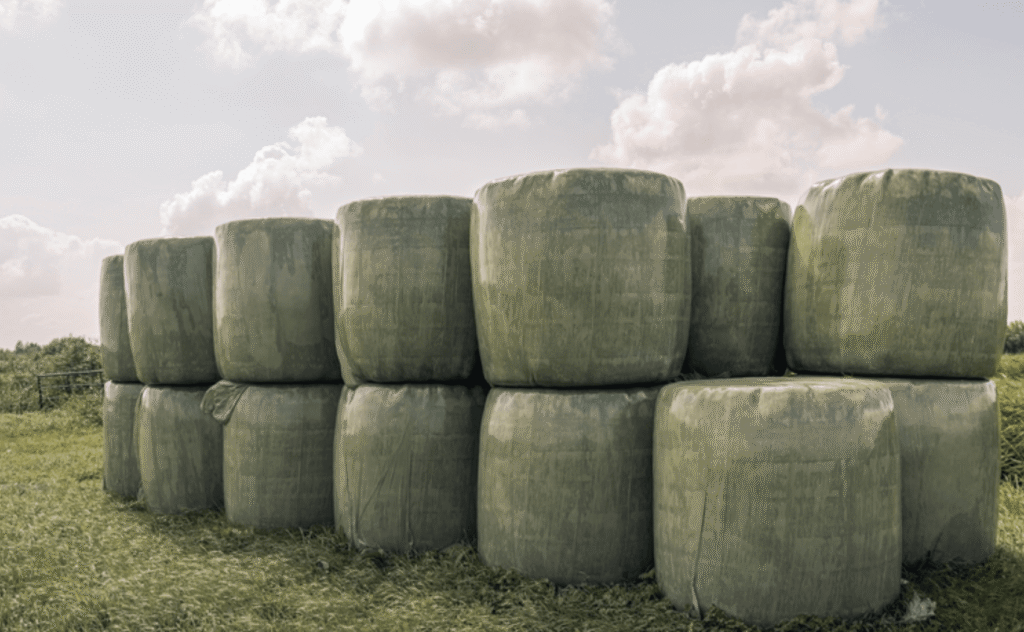
Early farmers stored silage mainly as preserved forage. Modern dairy farms combine silage with other feed ingredients such as corn grain, soybean meal, minerals, vitamins, and feed additives.
Today, silage is usually the foundation of TMR feeding.
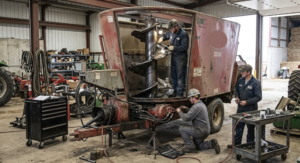
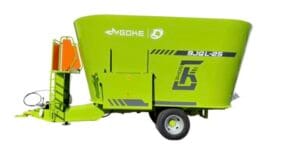
A modern dairy farm uses a TMR mixer to combine:
- Corn silage
- Alfalfa hay
- Energy sources
- Protein sources
- Minerals and supplements
This creates a balanced ration where every bite provides consistent cow nutrition.
5 most impactful efficiency improvements:
| Efficiency Factor | Before Silage | After Silage |
|---|---|---|
| Feed Storage | 1–3 months (mainly hay) | 6–18 months (stable forage supply) |
| Nutrient Preservation | 20–40% nutrient loss during hay making | 85–95% nutrient retention with good silage |
| Feed Cost | Higher cost during winter and feed shortages | 10–25% potential feed cost reduction |
| Milk Production Stability | 10–30% seasonal variation | Reduced variation with consistent TMR feeding |
| Feed Management Efficiency | More manual labor and inconsistent mixing | Better control with TMR mixer and improved dairy nutrition |
Silage Production Process
Producing high-quality silage requires careful management from planting to storage.
| Production Stage | Key Actions | Quality Goal |
| Crop Selection | Choose suitable varieties based on climate and soil | High nutrient yield |
| Harvesting | Cut crops at the correct maturity stage | Maintain energy and moisture balance |
| Chopping | Process material into suitable particle size | Improve packing and digestion |
| Filling | Store quickly and remove oxygen | Support fermentation |
| Compaction | Compress material tightly | Prevent mold growth |
| Sealing | Cover completely | Maintain anaerobic conditions |
| Fermentation | Allow proper fermentation time | Produce stable, nutritious silage |
Important Factors for High-Quality Silage
1. Correct Moisture Content
Moisture level is critical for successful fermentation.
- Corn silage: usually around 60–70% moisture
- Grass silage: usually around 65–75% moisture
Too much moisture may cause nutrient loss and poor fermentation, while too little moisture makes packing difficult.
2. Proper Particle Size
The chopped length affects both fermentation quality and rumen function. Proper particle size helps:
- Improve packing density
- Reduce oxygen exposure
- Maintain effective fiber
- Support healthy rumen activity
3. Fast Storage and Sealing
Oxygen is the enemy of silage. After harvesting, farmers should fill, compact, and seal the silo quickly. Poor sealing can cause mold, heating, and reduced feed quality.
Using Silage in TMR Feeding
Silage is usually not fed alone. Modern dairy farms combine silage with different feed ingredients to create a complete TMR feeding program.
A typical lactating cow ration may include:
| Feed Ingredient | Percentage of Dry Matter | Function |
| Corn Silage | 40–50% | Energy and fiber source |
| Alfalfa Hay | 10–20% | Protein and effective fiber |
| Corn Grain | 15–25% | Additional energy |
| Soybean Meal | 8–15% | Protein supply |
| Minerals & Vitamins | 1–3% | Support health and fertility |
| Feed Additives | 0.1–1% | Improve digestion and efficiency |
A TMR mixer ensures these ingredients are evenly distributed so every cow receives the same nutritional balance in every bite.
Practical Example: Silage Management on a Dairy Farm
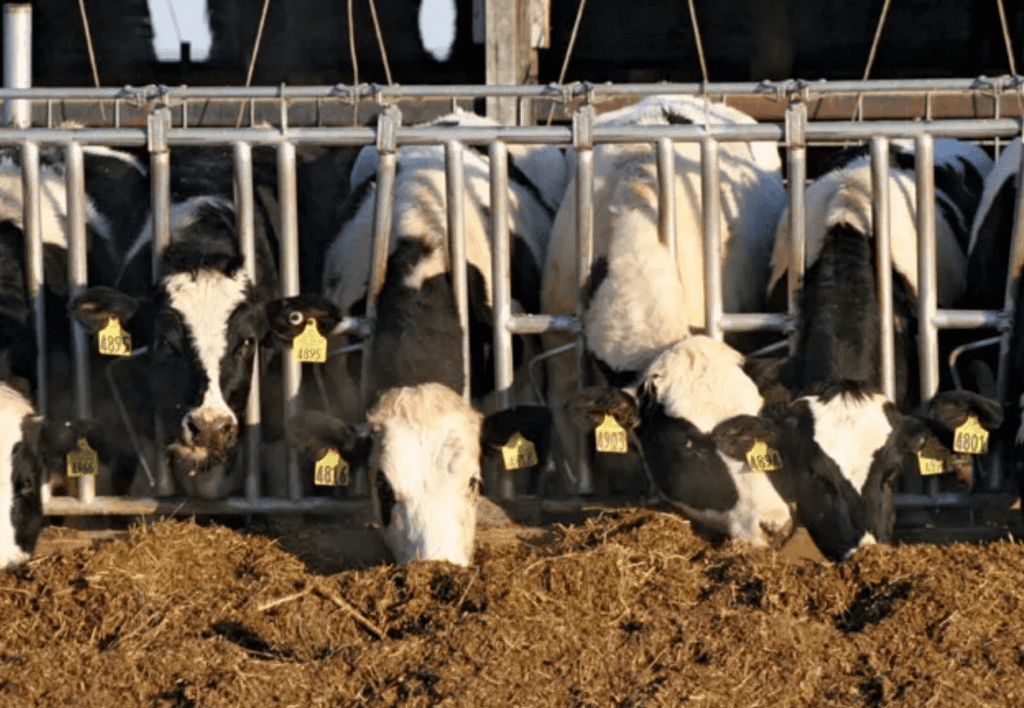
A 1,000-cow dairy farm produces approximately 30 kg of milk per cow per day. Before using a TMR system, workers manually mixed forage, grain, and supplements.
The farm faced several problems:
- Uneven feed mixing
- High labor requirements
- Feed sorting by cows
- Inconsistent milk production
After improving silage production and using a TMR mixer, the farm changed to a standardized feeding system.
| Item | Before Improvement | After TMR System |
| Feed Preparation | Manual mixing | TMR mixer operation |
| Feed Consistency | Variable | Uniform ration |
| Feed Waste | Higher | Reduced |
| Labor Requirement | More workers needed | Fewer operators |
| Cow Nutrition | Less stable | More consistent |
| Feed Cost Control | Difficult | Easier monitoring |
The farm achieved better feed utilization because cows consumed a more balanced ration. Improved silage quality also reduced the need for expensive concentrate feeds, supporting feed cost reduction.
Frequently Asked Questions (FAQ)
1. How long can silage be stored?
Properly made and sealed silage can usually be stored for 6–18 months while maintaining good nutritional quality.
Storage life depends on:
- Moisture level
- Compaction quality
- Oxygen control
- Silo management
Good silage management reduces spoilage and helps farmers achieve better feed cost reduction by reducing the need for purchased feed during shortage periods.
2. Does silage improve milk production and reduce feed costs?
Silage itself does not automatically increase milk production, but high-quality silage provides consistent energy and fiber for dairy cows.
When used with a balanced TMR mixer system, silage helps:
- Improve feed intake consistency
- Maintain stable rumen function
- Reduce feed waste
- Lower dependence on expensive feed ingredients
- Improve overall dairy nutrition
Many modern dairy farms use corn silage as the foundation of their ration because it provides reliable nutrition at a lower cost compared with purchasing large amounts of external forage.