Selecting replacement heifers is one of the most important decisions in dairy farming because today’s heifers become tomorrow’s milk-producing cows. A well-planned replacement program improves milk production, fertility, longevity, and farm profitability, while poor selection increases costs and reduces overall herd performance.
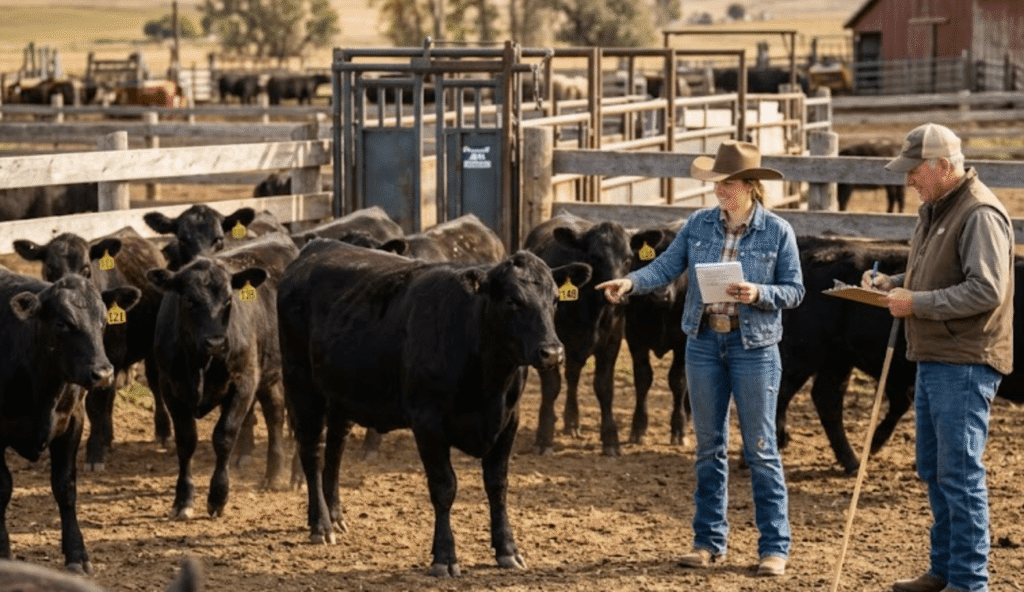
The first step is choosing heifers from superior dairy cow breeds with proven genetics. Farmers should evaluate the performance of the dam and sire, including milk yield, fertility, udder quality, feet and leg structure, and resistance to disease. Selecting animals with strong genetic potential creates a healthier and more productive herd over time.
Good calf management is equally important. Even heifers with excellent genetics cannot reach their potential if they receive poor care during the first months of life. Adequate colostrum intake, clean housing, vaccination, and proper growth monitoring help young calves develop into strong replacement animals. Consistent weight gain and healthy skeletal development are better indicators than simply selecting the largest calves.
Proper dairy nutrition supports steady growth without causing excessive body fat. Replacement heifers should receive balanced diets containing sufficient energy, protein, vitamins, and minerals according to their age. Overfeeding can reduce future milk production, while underfeeding delays breeding age and increases rearing costs.
Maintaining excellent cow health is another key factor. Only heifers free from chronic illness, lameness, respiratory disease, and reproductive disorders should remain in the replacement program. Regular veterinary examinations, vaccination programs, and disease prevention reduce future health problems and improve lifetime productivity.
Finally, successful herd management combines accurate record keeping with objective performance evaluation. Modern dairy farms often use electronic identification, growth records, and genomic testing to compare replacement candidates. Data-driven decisions allow farmers to cull lower-performing animals early and invest resources in the most promising heifers.
Key Selection Criteria
| Selection Factor | What to Evaluate | Benefit |
|---|---|---|
| Genetics | Parent performance, milk yield, fertility | Higher lifetime productivity |
| Growth | Body weight, frame development | Earlier breeding readiness |
| Health | Disease history, vaccinations, sound legs | Lower veterinary costs |
| Nutrition | Balanced feeding program | Proper growth and reproduction |
| Temperament | Calm and easy to handle | Better management efficiency |
| Records | Growth and performance data | More accurate selection decisions |
Careful replacement heifer selection is a long-term investment rather than a short-term expense. By combining superior genetics, proper raising practices, balanced nutrition, and data-based management, dairy farmers can build a productive, healthy herd capable of delivering consistent performance for many years.
Why Selecting Replacement Heifers Is Important
Replacement heifers are the future of every dairy farm. The quality of today’s heifers determines the productivity, profitability, and sustainability of tomorrow’s herd. Every replacement animal requires significant investment in feed, housing, labor, and healthcare before producing its first liter of milk. Selecting the right heifers ensures that these investments generate long-term returns, while poor selection can increase costs and reduce overall herd performance.
Why Replacement Heifer Selection Matters
| Reason | Explanation | Farm Benefit |
|---|---|---|
| Improve milk production | Heifers from high-producing cows are more likely to achieve greater milk yield. | Higher annual milk income |
| Better fertility | Selecting animals with good reproductive records improves breeding success. | More calves and shorter calving intervals |
| Stronger health | Healthy heifers have lower risk of disease and require fewer medical treatments. | Reduced veterinary expenses |
| Longer productive life | Well-selected heifers remain productive for more lactations. | Lower replacement costs |
| Better genetics | Superior genetics improve future generations of the herd. | Continuous herd improvement |
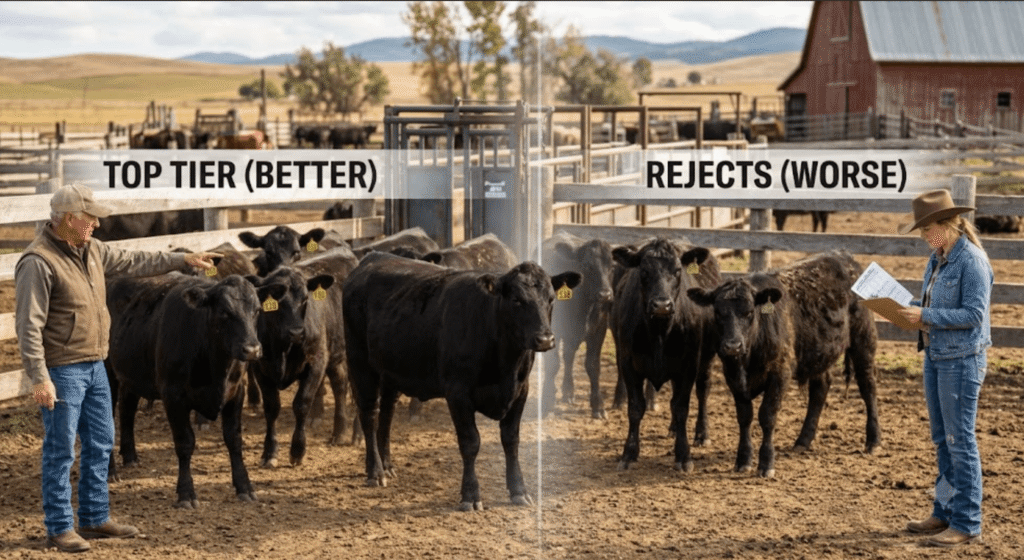
A replacement heifer is not simply a young cow—it is a long-term investment. Farmers should evaluate genetic potential, physical development, health status, and growth performance before deciding which animals will remain in the herd.
Economic Impact of Good Selection
| Good Selection | Poor Selection |
|---|---|
| Higher milk yield | Lower milk production |
| Lower disease risk | Frequent health problems |
| Earlier breeding age | Delayed breeding |
| Longer productive lifespan | Early culling |
| Better return on investment | Higher production cost |
Even small improvements in replacement quality can significantly increase farm profitability over several years.
Key Traits to Evaluate
| Selection Factor | What to Check | Why It Matters |
|---|---|---|
| Genetics | Parent milk records and breeding values | Predicts future performance |
| Body growth | Height, weight, and frame development | Indicates proper growth |
| Feet and legs | Strong legs and sound hoof structure | Supports mobility and longevity |
| Udder development | Well-attached, correctly shaped udder | Supports efficient milking |
| Temperament | Calm and easy to handle | Improves worker safety and management |
| Disease history | No chronic illness or repeated infections | Reduces future health risks |
Each factor contributes to the heifer’s ability to become a productive dairy cow.
Management Practices That Improve Selection
| Management Practice | Contribution |
|---|---|
| Accurate birth records | Identify high-performing bloodlines |
| Regular weighing | Monitor growth and detect problems early |
| Balanced nutrition | Supports healthy skeletal and reproductive development |
| Vaccination program | Prevents infectious diseases |
| Health monitoring | Removes animals with chronic health issues |
| Genomic testing | Identifies superior genetic potential at an early age |
Modern dairy farms increasingly combine traditional observation with digital records and genetic testing to make more accurate replacement decisions.
Long-Term Benefits
| Benefit | Result |
|---|---|
| Higher lifetime milk production | Increased farm revenue |
| Reduced replacement rate | Lower rearing expenses |
| Improved reproductive performance | More consistent herd growth |
| Better animal welfare | Healthier and more productive cows |
| Stronger herd genetics | Continuous improvement across generations |
Selecting replacement heifers is one of the most important decisions in dairy farming because its effects last for many years. Careful evaluation of genetics, growth, health, structure, and management records helps farmers build a healthier, more productive herd. Although raising replacement heifers requires substantial investment, choosing the best animals ensures higher milk production, lower operating costs, and improved profitability throughout the life of the dairy herd.
Evaluate Growth and Body Development
Evaluating growth and body development is an essential step when selecting replacement heifers. A heifer may have excellent genetics, but if she does not grow properly during the first two years of life, she is unlikely to reach her full production potential. Healthy growth indicates that the calf has received proper nutrition, good health care, and effective management throughout the rearing period.
Rather than focusing only on body weight, farmers should assess the animal’s overall development. A well-grown heifer should have a strong skeletal frame, adequate body length, good height, and balanced muscle development. She should appear lean but healthy, not excessively thin or overly fat. Proper body condition supports future reproduction and milk production.
Example 1: Two Heifers with Different Growth Rates
| Item | Heifer A | Heifer B |
|---|---|---|
| Age | 12 months | 12 months |
| Weight | 340 kg | 260 kg |
| Frame Size | Well developed | Small and narrow |
| Body Condition | Moderate | Thin |
| Expected Breeding Age | Around 14–15 months | Delayed beyond 16 months |
In this example, Heifer A has reached the recommended growth target and is likely to be bred on time. Heifer B has grown more slowly, which may delay breeding and increase rearing costs.
Growth should be evaluated regularly instead of relying on occasional visual inspection. Monthly weighing or using a heart-girth measuring tape allows farmers to compare each heifer’s progress with recommended growth targets.
Example 2: Balanced Growth vs Overfeeding
| Situation | Result |
|---|---|
| Balanced nutrition with steady growth | Strong frame, healthy reproductive development |
| Excessive energy intake | Over-fat heifer, reduced mammary development |
| Insufficient nutrition | Slow growth and delayed puberty |
This example shows that faster growth is not always better. Overfeeding young heifers can cause excessive fat deposition in the udder, which may reduce future milk production. On the other hand, underfeeding slows development and delays the first calving.
Body structure is another important consideration. Farmers should observe leg strength, hoof quality, and walking ability because these traits affect the cow’s longevity.
Example 3: Structural Evaluation
| Trait | Good Example | Poor Example |
|---|---|---|
| Legs | Straight and strong | Weak or crooked |
| Hooves | Even and healthy | Overgrown or damaged |
| Back | Level and straight | Curved or uneven |
| Chest | Wide and deep | Narrow and shallow |
A heifer with strong body structure is more likely to withstand years of walking, feeding, breeding, and milking.
Evaluating growth and body development is more than measuring size. Farmers should consider body weight, frame development, body condition, and structural soundness together. By comparing heifers with growth targets and practical examples, producers can identify animals that are most likely to become healthy, productive dairy cows with long and profitable careers.
Frequently Asked Questions (FAQ)
1. At what age should replacement heifers be bred?
Most dairy heifers are bred at 13–15 months of age, provided they have reached the recommended body weight and size for their breed. Breeding based on growth rather than age alone usually produces better reproductive performance.
2. What is the ideal body condition for a replacement heifer?
Replacement heifers should have a moderate body condition. They should be well-grown but not overweight. Excess body fat can reduce future milk production, while being too thin may delay breeding and first calving.
3. Why is regular weighing important for heifer development?
Regular weighing helps farmers monitor growth, detect nutritional or health problems early, and ensure heifers reach breeding targets on schedule. Consistent growth usually leads to healthier cows, lower rearing costs, and better lifetime milk production.