Author’s Note
At AIG Machinery, our engineering team has worked with dairy farm equipment manufacturers and commercial dairy farms across multiple countries. This guide summarizes practical equipment selection principles based on industry standards, modern dairy production system, and discussions with dairy producers.
According to dairy industry research, feed costs typically account for 60–70% of total milk production costs.Heat stress can reduce milk production by 10–25% during hot weather.
Understanding how different machinery systems operate and integrate into daily facility routines is essential for farm owners, operational directors, and agricultural engineers. Rather than viewing individual machines as isolated purchases, successful farm managers build connected operational ecosystems where milking systems, feeding equipment, climate controls, and manure management infrastructure work in harmony.
according to many years of agricultural engineering experience, recommend the following dairy equipment list
| Equipment Category | Main Function | Key Benefits |
|---|---|---|
| Feeding Equipment | Mixing and distributing feed | Better nutrition consistency and lower waste |
| Milking Equipment | Milk extraction | Improved hygiene and efficiency |
| Milk Cooling Equipment | Rapid milk cooling | Maintains milk quality |
| Dairy Barn Equipment | Cow comfort management | Improves animal welfare |
| Ventilation Equipment | Temperature and airflow control | Reduces heat stress |
| Manure Management Equipment | Waste collection and processing | Improves sanitation |
| Smart Monitoring Equipment | Data collection and analysis | Supports precision farming |
How Modern Dairy Farm Equipment Boosts Agricultural Productivity
Upgrading farm infrastructure provides measurable operational advantages that extend far beyond simple time savings. When livestock facilities implement advanced automation and high-efficiency hardware, every routine process becomes more consistent, measurable, and repeatable.
Operational Efficiency and Labor Allocation
Labor remains one of the largest continuous operating expenses on a dairy farm. Manual tasks such as washing parlors, prepping cows, pushing up feed, and scraping alleyways consume hours of manual labor every single day. Automated machinery restructures labor demands by shifting staff roles from repetitive physical labor to higher-level management, cow observation, and preventive maintenance. Automated systems allow staff to focus on herd health checks, calf care, and strategic facility management rather than spending hours in a milking parlor pit or driving tractor scrapers.
Quality Control and Somatic Cell Count Reductions
Milk quality directly affects farm profitability through volume yields and processor quality bonuses. Modern machinery minimizes contamination risks at every transfer point, from teat prep to bulk storage cooling tanks. Precision quarter-level sensors continuously measure electrical conductivity, milk flow speed, temperature, and milk clarity during milking. By detecting early subclinical signs of mastitis before visual symptoms appear, automated systems automatically divert questionable milk away from the main bulk tank, protecting the overall supply and allowing early targeted treatment.
Precision Nutrition and Metabolic Health
Feed represents 60% to 70% of total production costs on a dairy farm. Modern feeding machinery allows nutritionists and farm operators to build precise total mixed rations (TMR) tailored to specific production groups, heifers, and dry cows. High-precision mixing augers, digital load cells, and moisture sensors ensure that every bite of feed delivers a balanced blend of forage, grain, minerals, and supplements. Preventing feed sorting reduces metabolic disorders such as acidosis and ketosis, leading to stable rumen fermentation and higher butterfat and protein yields.
Core Categories of Modern Dairy Farm Equipment
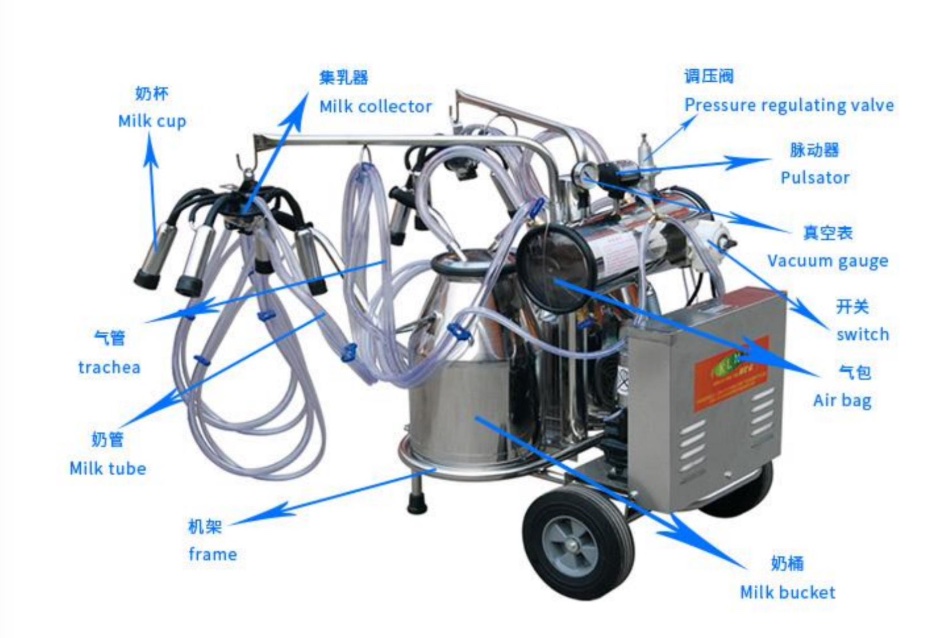
Equipping a facility requires selecting systems designed for specific operational tasks. Breaking down dairy infrastructure into functional categories simplifies evaluation and planning.
Automated Milking Systems and Parlor Technology
| System | Best Herd Size | Labor | Investment |
|---|---|---|---|
| Robotic milking system | <300 | Very Low | High |
| Parallel and herringbone parlor | 200–1000 | Medium | Medium |
| Rotary parlors | 800+ | Low | Very High |
Milking technology ranges from high-throughput parlor configurations to fully autonomous robotic units. Choosing the right configuration depends on herd size, facility layout, available labor, and capital investment plans.
- Robotic Milking Systems (Automatic Milking Systems – AMS): Autonomous box units allow cows to enter voluntarily throughout the day, guided by concentrates dispensed during milking. Optical cameras, lasers, and 3D positioning sensors identify teat placement with millimeter precision, clean the teats with rotating brushes, apply teat prep, and attach individual teat cups. Sensors monitor milk flow from each quarter and detach cups individually to prevent over-milking and teat-end damage.
- Parallel and Herringbone Parlors: Fixed parlor designs position cows in angles or side-by-side stalls above an operator pit. While requiring more manual positioning and prep work than rotary or robotic systems, modern parallel parlors feature automated detachers, automatic teat sprayers, and rapid-exit gates to speed up group throughput.
- Rotary Parlors: Ideal for large commercial herds, rotary parlors act as a continuous carousel. Cows step onto a moving platform, staff members perform prep routines and attach milking units, and the cows complete one rotation before stepping off. Rotary systems process hundreds of cows per hour with minimal staff movement.
Feed Management and Total Mixed Ration Equipment
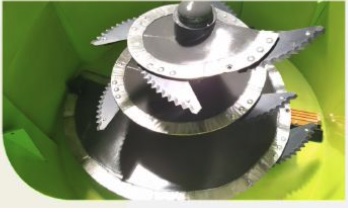
Ensuring constant feed availability and proper particle size distribution is critical for maintaining maximum dry matter intake (DMI).
| Equipment | Primary Function | Key Benefits |
|---|---|---|
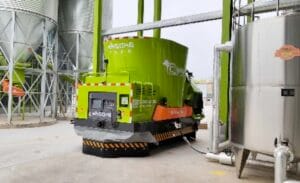
| Stationary & Vertical TMR Mixers | Mix forage, grain, minerals, and supplements into a uniform Total Mixed Ration (TMR). | Improves feed consistency, reduces feed sorting, and increases feeding efficiency. |
| Autonomous Feed Pushing Robots | Automatically push feed back within cows’ reach throughout the day. | Encourages more frequent feeding, reduces feed waste, and supports higher milk production. |
| Automated Rail-Based Feeders | Automatically deliver precise amounts of feed to different pens on a scheduled basis. | Saves labor, improves feeding accuracy, and keeps feed fresh and readily available. |
- Stationary and Vertical TMR Mixers: Heavy-duty vertical and horizontal mixing wagons use hardened steel augers and processing knives to slice long forage fibers and blend ingredients into a uniform, non-segregating ration. Electric stationary mixers integrated into automated feed kitchens offer high energy efficiency and seamless conveyor integration.
- Autonomous Feed Pushing Robots: Cows naturally push feed away from the fence while eating. Autonomous feed pushers travel along feed alleys at scheduled intervals using LIDAR, sensors, or magnetic floor tracks, gently pushing fresh ration back within reach of the herd. Continuous feed availability encourages frequent eating, boosts milk production, and reduces feed waste.
- Automated Rail-Based Feeders: Overhead track systems or rail-driven feeding cars mix and distribute precise feed quantities to specific pen sections multiple times per day, keeping feed fresh and appetizing.
Environmental Control and Cow Comfort Hardware
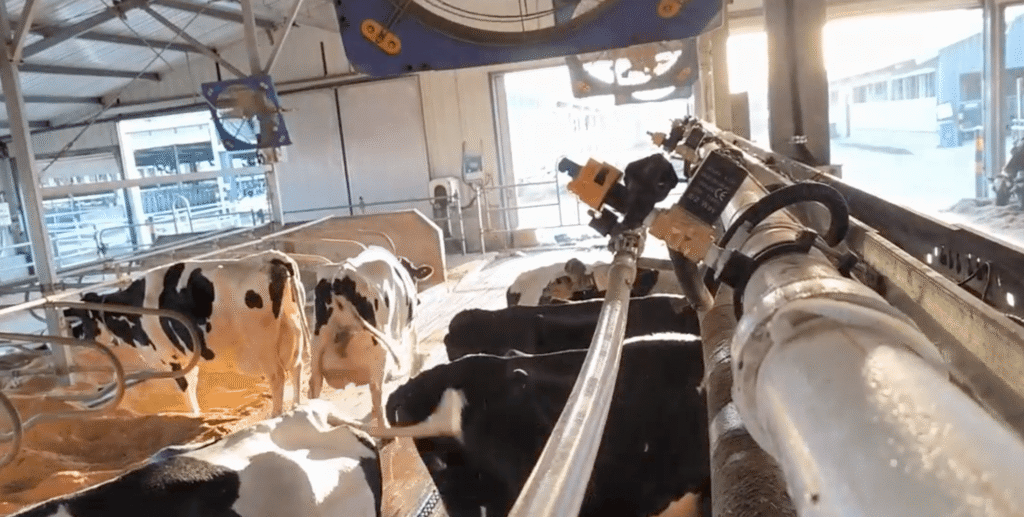
Cow comfort directly influences milk production. Thermal stress, improper bedding, and poor air quality depress milk yield and weaken immune function.
| Equipment | Primary Function | Key Benefits |
|---|---|---|
| HVLS Ceiling Fans | Circulate air throughout the barn to improve ventilation. | Reduces heat stress, improves cow comfort, and keeps bedding dry. |
| Evaporative Soakers & Fogging Systems | Cool cows with water during hot weather. | Lowers body temperature, reduces heat stress, and helps maintain milk production. |
| Automated Barn Curtains & Ridge Vents | Automatically adjust barn ventilation based on weather conditions. | Maintains a comfortable barn environment and improves air quality year-round. |
| Deep Sand & Rubber Matting Systems | Provide soft, comfortable resting areas for cows. | Increases lying time, improves cow welfare, and supports higher milk production. |
- High-Volume Low-Speed (HVLS) Ceiling Fans: Large-diameter HVLS fans circulate massive volumes of air across freestall alleys at low rotational speeds, breaking up stagnant heat pockets, reducing fly pressure, and keeping bedding dry.
- Evaporative Soakers and Fogging Systems: Integrated temperature and humidity sensors trigger water soaking lines over feed alleys when barn temperatures rise, soaking cow hides to provide evaporative cooling without wetting the udder or bedding.
- Automated Barn Curtains and Ridge Vents: Weather-responsive ventilation systems adjust sidewall curtains and roof vents automatically based on wind speed, temperature, and rain sensors, maintaining ideal internal barn climates year-round.
- Deep Sand and Rubber Matting Systems: Comfortable freestalls featuring soft rubber mattresses, waterbeds, or properly managed sand bedding encourage cows to lie down for 12 to 14 hours per day, maximizing blood flow to the mammary glands.
Herd Health, Wearables, and IoT Monitoring Systems
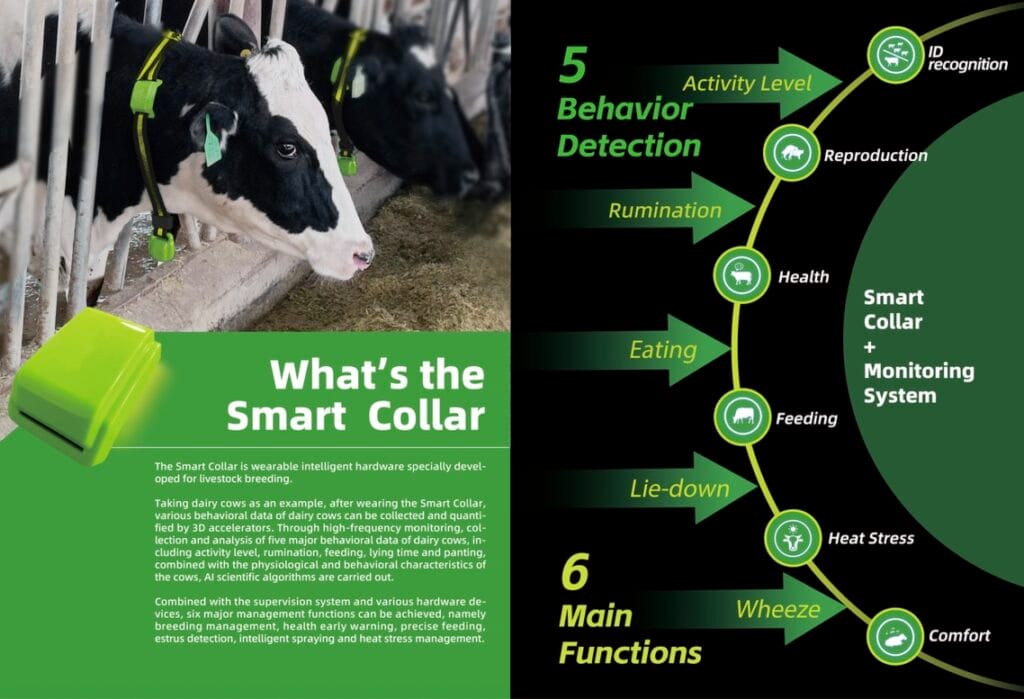
Precision livestock farming relies on connected Internet of Things (IoT) hardware that tracks individual animal health around the clock.
| Equipment | Primary Function | Key Benefits |
|---|---|---|
| Smart Collars & Ear Tags | Monitor cow activity, rumination, and health in real time. | Detect heat, identify health issues early, and improve herd management. |
| Automated Sorting Gates | Automatically direct selected cows to specific areas using RFID. | Saves labor and simplifies breeding, treatment, and health checks. |
| 3D Camera Body Condition Scoring | Scan cows to assess body condition and weight changes. | Tracks cow health, improves nutrition management, and supports better production decisions. |
- Smart Collars and Ear Tags: Multi-sensor wearable collars monitor rumination minutes, chewing patterns, resting time, and movement activity. Micro-processor algorithms detect subtle changes that signal estrus cycles with high accuracy, enabling precise artificial insemination timing. They also flag health drops days before physical symptoms appear.
- Automated Sorting Gates: Positioned at parlor exits or main cross-alleys, smart sorting gates read cow RFID tags and automatically route targeted animals into treatment stalls for breeding, hoof trimming, or veterinary checks without requiring manual drafting.
- 3D Camera Body Condition Scoring: Overhead 3D camera systems scan cows as they exit the milking parlor, analyzing physical contours to generate objective body condition scores (BCS) and tracking weight changes across lactation cycles.
Milk Cooling, Storage, and Heat Recovery Systems
Freshly harvested milk leaves the cow at approximately 101°F (38.3°C) and must be cooled rapidly below 40°F (4.4°C) to prevent bacterial growth and preserve milk freshness.
| Equipment | Primary Function | Key Benefits |
|---|---|---|
| Plate Heat Exchangers (Pre-Coolers) | Cool milk before it enters the bulk tank. | Reduces cooling costs, improves energy efficiency, and preserves milk quality. |
| Heat Recovery Units | Reuse heat from the refrigeration system to warm water. | Lowers energy costs and provides hot water for equipment cleaning. |
| Bulk Milk Cooling Tanks | Rapidly cool and store fresh milk at a safe temperature. | Maintains milk freshness, ensures quality, and prevents bacterial growth. |
- Plate Heat Exchangers (Pre-Coolers): Stainless steel plate coolers pass warm milk alongside cold well water, reducing milk temperature by 20°F to 30°F before it reaches the bulk tank, drastically lowering compressor refrigeration loads.
- Heat Recovery Units: Heat exchangers extract thermal energy from hot compressor refrigerant gas and use it to pre-heat water for sanitation washing systems, significantly reducing utility bills.
- Direct Expansion and Instantaneous Chilling Bulks: Heavy-duty bulk tanks with glycol chillers cool milk rapidly to optimal storage temperatures while continuous agitation paddles ensure uniform fat distribution without shearing fat globules.
Manure Handling and Resource Recovery Infrastructure
Efficient waste management transforms a heavy operational handling burden into valuable bio-fertilizer and renewable energy.
| Equipment | Primary Function | Key Benefits |
|---|---|---|
| Automatic Scraper Systems | Remove manure from barn alleys automatically. | Improves barn cleanliness, promotes hoof health, and reduces labor. |
| Solid-Liquid Separators | Separate manure into solid and liquid components. | Simplifies waste management, allows bedding reuse, and improves nutrient handling. |
| Anaerobic Digesters | Convert manure into biogas through anaerobic digestion. | Produces renewable energy, reduces waste, and lowers environmental impact. |
- Automatic Scraper Systems: Chain, cable, or hydraulic alley scrapers run continuously or on scheduled timers, slowly pulling manure out of concrete alleys into transfer gutters, maintaining clean floor surfaces and promoting hoof health.
- Solid-Liquid Separators: Mechanical screw presses or slope screens separate raw manure into solid fibers and liquid digestate. Dried solids can be recycled as comfortable stall bedding, while liquid manure is easily pumped to storage lagoons or field irrigation systems.
- Anaerobic Digesters: Sealed concrete digester vessels capture methane gas produced by decomposing organic matter, routing the biogas to combined heat and power (CHP) generators to generate clean electricity for the farm grid.
Routine Maintenance Strategies for Modern Dairy Farm Equipment
Maintaining high uptime requires disciplined preventive maintenance protocols. Equipment failure during peak milking or feeding hours causes severe operational delays and cow stress.
| Maintenance Task | Primary Purpose | Key Benefits |
|---|---|---|
| Daily Inspections | Check equipment condition and identify issues early. | Prevents unexpected breakdowns and keeps equipment running reliably. |
| Lubrication & Parts Replacement | Lubricate moving parts and replace worn components on schedule. | Extends equipment life, reduces downtime, and maintains performance. |
| Sanitation System Calibration | Verify cleaning system settings and water quality. | Ensures proper hygiene, prevents milkstone buildup, and protects milk quality. |
| Software & Firmware Updates | Keep equipment software and control systems up to date. | Improves system performance, enhances security, and ensures reliable data management. |
- Daily Inspection Routines: Staff must visually check vacuum pumps, milk line seals, water pressure gauges, feed pusher battery levels, and scraper cable tension every morning.
- Scheduled Lubrication and Wearing Part Replacements: Moving parts such as TMR mixer auger bearings, rotary platform rollers, and robotic arm hinges require scheduled greasing. Milking inflations, silicone tubing, and rubber gaskets must be replaced according to operating hour intervals to maintain proper vacuum pressure and hygiene.
- Sanitation System Calibration: Regularly test wash water temperatures, chemical dispenser dosing levels, and water hardness to prevent milkstone buildup inside stainless steel milk lines and bulk tanks.
- Software and Firmware Updates: Keep herd management software, robotic control modules, and wearable gateway firmware updated to ensure seamless data transmission and security compliance.
Evaluating ROI and Financial Planning for Equipment Investment
Selecting hardware requires analyzing total cost of ownership (TCO) against long-term financial returns. While advanced automation requires higher upfront capital expenditure, long-term operational savings in labor, animal health, and milk quality yield substantial returns over time.
| Equipment Category | Primary Operational Benefit | Labor Reduction Potential | Primary Financial Return Factor |
| Robotic Milking Systems (AMS) | Voluntary, 24/7 quarter-level precision milking | High (70% – 75% reduction in milking pit labor) | Lower labor costs, increased milk yield per cow, reduced mastitis expenses |
| Automated TMR Feed Mixers & Pushers | Precise ration formulation and continuous feed access | Medium (50% reduction in feed alley tractor driving) | Lower feed waste, improved dry matter intake, higher milk fat/protein yields |
| Wearable Health Monitoring Collars | 24/7 rumination, heat detection, and early illness flags | Low (Replaces manual visual observation time) | Higher conception rates, reduced semen costs, lower vet and treatment bills |
| Plate Heat Exchangers & Heat Recovery | Rapid pre-cooling of harvested raw milk | Low (Fully automated utility process) | Direct utility bill savings (40% – 60% reduction in water heating and cooling power) |
| Automated Manure Scrapers & Separators | Clean barn alleys and dry recycled stall bedding | Medium (Eliminates daily tractor scraping routines) | Cleaner udders, lower somatic cell count, zero purchase cost for external stall bedding |
Step-by-Step Implementation and Operational Best Practices
Transitioning to advanced automated machinery requires careful facility layout planning, staff training, and herd acclimation.
- Conduct a Thorough Facility Audit: Evaluate existing power capacity, back-up generator output, water flow rates, internet connectivity, and concrete floor slopes before ordering new machinery.
- Design for Cow Traffic: Choose between free-flow cow traffic (where cows move freely between resting, feeding, and milking areas) and guided cow traffic (where smart selection gates direct cows based on milking eligibility) to optimize barn throughput.
- Establish Clear Maintenance Protocols: Train farm employees on daily cleaning protocols, preventive maintenance schedules, and basic troubleshooting procedures for key hardware components.
- Acclimate the Herd Slowly: Allow cows time to adjust to new machinery, such as automated milking boxes or feed pushers, using reward feed concentrates and gentle handling to minimize stress during the transition phase.
- Monitor Data Dashboards Daily: Set aside dedicated administrative time each day to review herd metrics, rumination alerts, milk yield variations, and equipment maintenance codes generated by integrated farm management software.
Investing in modern dairy farm equipment is more than purchasing individual machines—it is about building an integrated production system that improves efficiency, animal welfare, milk quality, and long-term profitability. By selecting equipment that matches herd size, facility layout, and future expansion plans, dairy producers can create a resilient operation capable of adapting to changing labor markets and increasing consumer demand. Regular maintenance, staff training, and data-driven management ensure these investments continue delivering value for years to come.
Recommend Resources