
Cattle monitoring
Smart Ear Tag
A lightweight, ear-worn device for continuous cattle behavior monitoring, with data available through a connected herd management system.
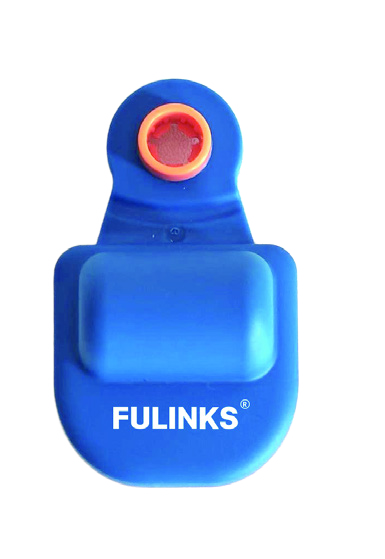
Smart ear tag
FL-TAG-FLEX
Monitor estrus, rumination, eating, resting, panting and activity in one ear-worn device.
68 × 39 × 25 mm
Operating temperature: -30 to 55 °C
Why choose a Smart Ear Tag?
For farms prioritizing a lightweight wearable and a fitting routine without a neck strap, FL-TAG-FLEX offers four practical reasons to consider an ear tag.
Less wearable weight
28 g compared with 270 g for FL-COLLAR-M — about 90% lighter, based on the listed product weights.
No neck strap to size
An ear-worn format removes neck-strap sizing from the fitting workflow. The presentation describes no length adjustment after fitting.
Familiar ear-tag application
The presentation describes application like a standard ear tag, simplifying the fitting workflow for teams familiar with ear tagging.
Six monitoring functions
Estrus, rumination, eating, resting, panting and activity are listed for both models — in a lighter ear-worn format.
Smart Ear Tag vs Smart Collar
Two wearable formats for the same six listed monitoring functions. This comparison covers FL-TAG-FLEX and FL-COLLAR-M.
Smart Ear Tag
FL-TAG-FLEX · Ear-worn
28 gListed product weight
Smart Collar
FL-COLLAR-M · Neck-worn
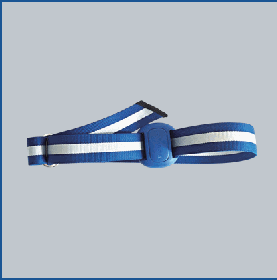 270 g
Listed product weight
242 g less wearable weightApproximately 90% lighter: (270 − 28) ÷ 270. Product images are not to scale.
| Compare | Smart Ear Tag | Smart Collar |
|---|---|---|
| Model | FL-TAG-FLEX | FL-COLLAR-M |
| Wearing position | Ear | Neck, with strap |
| Listed weight | 28 g | 270 g |
| Listed dimensions | 68 × 39 × 25 mm | 58 × 1200 mm |
| Ease of fitting | Applied using a standard ear-tag-style method, according to the presentation. Requires ear-tag application; no neck-strap sizing. | Place around the neck, fasten the strap and set a suitable fit. Does not require ear-tag application. |
| Ongoing maintenance | No neck strap to adjust or replace. Still check attachment, the ear site and device status; the supplied materials do not establish maintenance-free operation. | Check strap fit, fastening and wear; adjust as needed as the animal grows, and replace worn parts. No model-specific replacement interval is supplied. |
| Monitoring functions | Estrus · Rumination · Eating · Resting · Panting · Activity | |
| Monitoring mode | 24/7 monitoring | |
| Operating temperature | −30 to 55 °C | |
| Protection rating | IP67 | |
| Battery life / purchase price | Not specified for these models in the supplied materials | |
| Comparative detection accuracy | No quantified head-to-head test results supplied | |
Choose around the fitting workflow
Consider the ear tag when low wearable weight and avoiding neck-strap sizing are priorities. Consider the collar when a neck-worn format fits the farm’s handling routine. Both list the same monitoring functions; the supplied materials do not establish a measured accuracy winner.
What the presentation claims — and what the data supports
The five-slide presentation also promotes lifecycle identification, reuse, lower labor and strap costs, and earlier behavior detection. It provides no model-specific reuse protocol, battery-life data, cost comparison or quantified accuracy study. “Zero stress,” “zero consumables” and “zero maintenance” are presentation claims, not demonstrated outcomes for every animal or installation.
Its network section lists up to 1 km sensor-to-collector and 2 km collector-to-gateway under line-of-sight conditions, plus a claimed coverage radius of up to 3 km. These are different network stages; their distances should not be added to promise an ear-tag range. Network design is a system feature rather than proof that one wearing format outperforms the other.
Sources: supplied five-slide Smart Livestock presentation, pages 2–5; Product Introduction brochure, page 7. Product specifications and presentation claims are distinguished above.
Six monitoring functions
Estrus
Estrus activity information for reproductive management.
Rumination
Review rumination patterns and changes over time.
Eating
Follow eating behavior alongside other monitored activity.
Resting
View resting behavior as part of the daily animal record.
Panting
Track panting activity for herd observation.
Activity
Review activity patterns throughout the day.

Technical parameters
| Parameter | Specification |
|---|---|
| Model | FL-TAG-FLEX |
| Monitoring mode | 24/7 monitoring |
| Dimensions | 68 × 39 × 25 mm |
| Weight | 28 g |
| Operating temperature | -30 to 55 °C |
| Protection rating | IP67 |
From ear tag to herd data
Ear-tag data is collected and passed through a gateway to the cloud platform, where it can be accessed from PC and mobile interfaces.
- 1

Smart ear tag
FL-TAG-FLEX
- 2
Collector
FLCC-100
- 3
Data gateway
FLXC-100 · Internet connection
- 4
Cloud platform
Data management
- 5
PC & mobile
Monitoring and review



System Networking
Smart ear tags send monitoring data to collectors. Collectors connect to a data gateway, which provides access to the cloud platform through the Internet. PC and mobile interfaces access the same connected system.
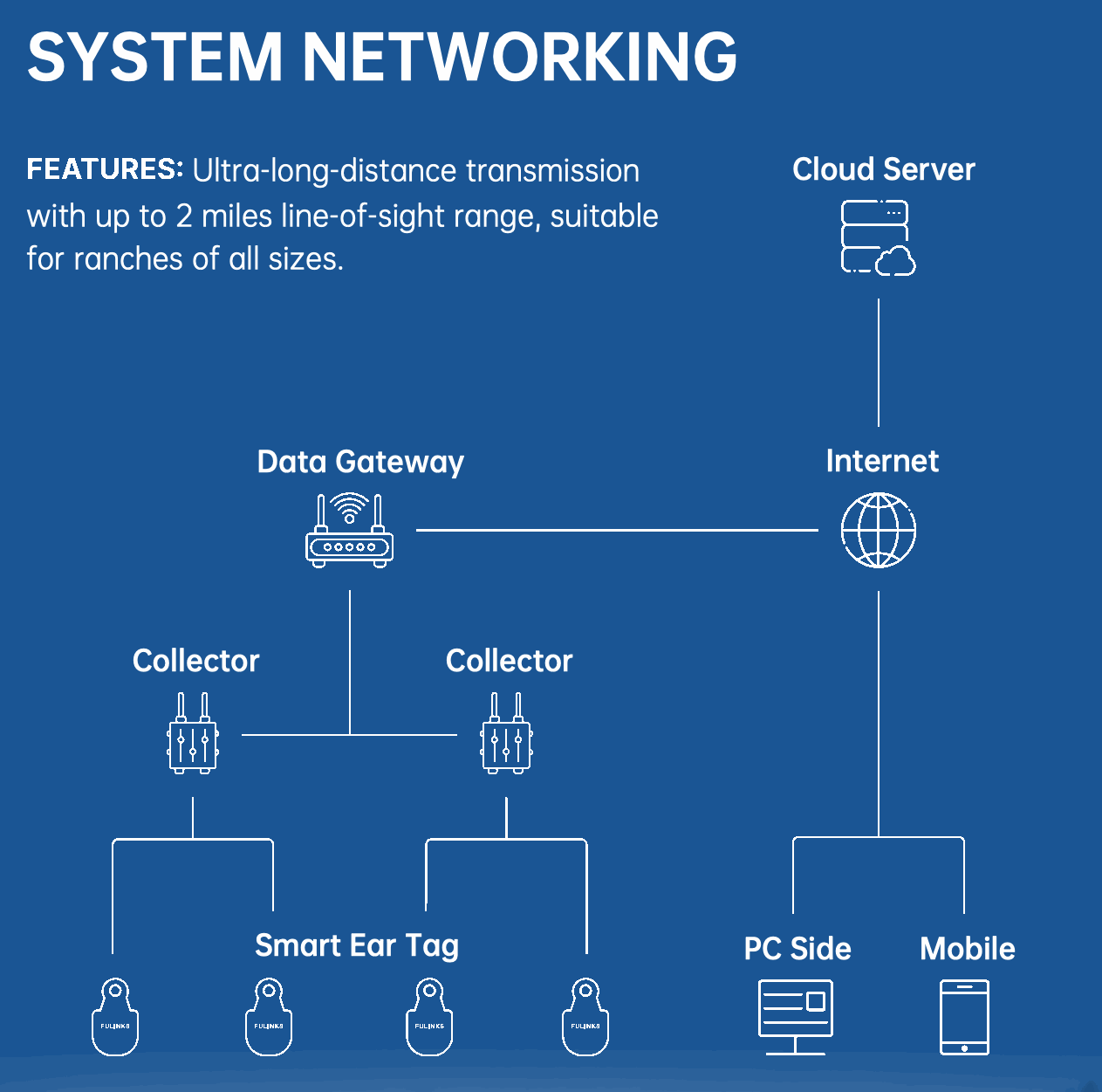
The diagram cites a system transmission range of up to 2 miles under line-of-sight conditions. This is a brochure system-level claim, not a guaranteed range for each ear tag or installation.
PC and mobile management
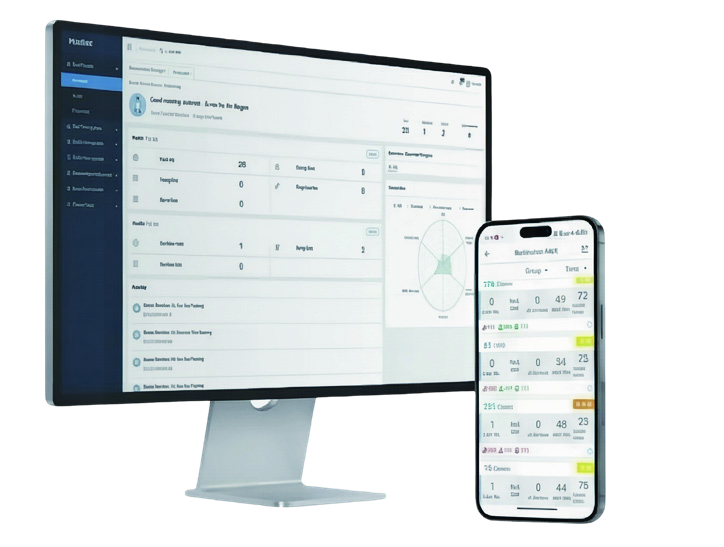
Behavior information in a management workflow
- Review animal behavior records and changes over time.
- Use system estrus monitoring and insemination-window information for breeding management.
- Receive system alerts when monitored behavior patterns change.
- Work with animal records and task work orders in the management software.
Bind · Wear · Use
Bind
Link the device to its animal record.
Wear
Use the ear tag as the animal’s monitoring device.
Use
Review monitoring information through the connected software.